


 Česky (CZK)
Basic Equipment for Beginners: What You Really Need and What Can Wait
⚡ Quick summary – 45-second read
- What everyone needs (indoor & outdoor): seeds, quality substrate (Light-Mix), a 19L fabric pot, settled water, light or sun, shears, and a curing container.
- Indoor extras: an LED light (the most important part of the setup – GENT LED 100W), a timer (for photoperiods), and airflow (a fan or a window). No tent needed – a corner, shelf, or windowsill will do.
- Outdoor extras: a sunny spot, a pot + substrate + Trypack Outdoor, sticky traps for pests, and possibly protection from wind/wildlife. Nature handles the light and much of the climate.
- Useful, but not right away: basic fertilizers (Trypack), a Starter Kit for germination, a microscope for harvest, and an odor absorber. For a first grow, skip: advanced training, complex charts, expensive meters, and hydroponics.
- Simplest paths: iGrowCan (one plant), indoor without a tent (Photon + 19L + Light-Mix + Trypack), or the Complete Grow Kit (all in one).
Verdict: Don't overspend. Spending priority: 1) a quality seed, 2) good light / a sunny spot, 3) quality substrate, 4) a pot with drainage, 5) a simple basic fertilizer. Add the rest once you know what makes sense for you.
When growing for the first time, it's easy to get the impression that you need dozens of products, meters, and supplements. In reality, that's not the case. A few basic things are enough for a good start. You can add the rest later, once you know what makes sense for you.
This article acts as a simple overview of what is truly important for a beginner. If you are looking for a specific step-by-step procedure, check out our main guides:
📖 Main step-by-step guides:
-
How to Grow Cannabis in a Grow Tent (Grow Box): A Complete Guide for Beginners
-
How to Grow Cannabis at Home Without a Grow Tent: Simple Home Setup (1–3 plants)
-
How to Grow Cannabis Outdoors: Simple Outdoor Method (pot or garden)
-
How to Grow One Plant at Home (The Easiest Mini Grow Method with iGrowCan)
-
How to Grow Autoflower: The Easiest Method for Beginners
-
How to Grow with the Complete Grow Kit (Simple Method Without Studying Fertilizers)
1. What Everyone Really Needs
Whether you grow indoors or outdoors, you can't do without these things:
- Seeds – The foundation of everything. For a first grow, autoflowering seeds or selections from the For Beginners category are usually the easiest.
- Substrate – The easiest path is high-quality soil, for example, BioBizz Light-Mix. For more experienced growers or longer grows, All-Mix can also be used.
- DIY: A mix of garden soil, compost, and perlite.
- Pot – For most beginners, a versatile and simple choice is a 19L fabric pot.
- DIY: A plastic pot or bucket with drainage holes.
- Water – Standard tap water that has been left to sit is usually sufficient.
- Light or Sun – It won't work without it. Indoors you need a lamp, outdoors a sunny spot.
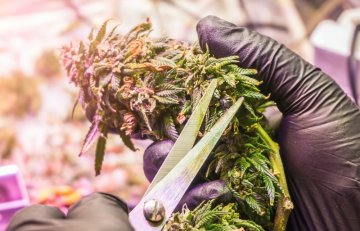
- Shears (Scissors) – Handy for harvesting and minor trimming.
- Jars or a Curing Container – After harvest, you need to properly dry and store the flowers.
This is the foundation. With the right seed, substrate, pot, light or sun, and a little care, you can grow normally.
2. What an Indoor Grower Needs
If you grow at home, you must replace the sun and airflow for the plant.
Light
This is the most important part of the entire indoor setup. For beginners, an LED light is the easiest because it consumes less power, produces less heat, and is easier to use.
- Recommended simple choice: GENT LED Photon 100W
- DIY: A smaller LED grow bulb or a standard daylight LED for one small plant.
📖 More in the article: Choosing Indoor Lighting: LED vs. HPS – what is more worth it and how many watts do you need?
Timer
If you are growing photoperiodic plants, you will need a regular light cycle. A simple mechanical timer is enough for this.
- Recommended: Mechanical Timer Socket
- DIY: Manual switching on and off, but it is less convenient and less precise.
Airflow
Plants need fresh air and gentle leaf movement. Without it, the risk of mold and weak stems increases.
- Recommended: Oscillating Clip Fan
- DIY: An open window or a small desk fan.
📖 More in the article: Grow Room Climate: How to set the ideal temperature, humidity, and airflow
Space
You don't necessarily need a tent for your first grow. The following can be enough:
- A corner of a room
- A shelf
- A closet
- A windowsill with a light
But if you want more control over the environment, growing in a tent is the next step.
3. What an Outdoor Grower Needs
Outdoors is simpler because nature handles the light and a large part of the climate.
You mainly need:
- A sunny spot
- A pot or a spot in the ground
- Substrate
- Water
- And potentially basic fertilizer
For outdoor, a simple choice is:
- 19L fabric pot
- Light-Mix or All-Mix
- BioBizz Trypack Outdoor
- DIY: Garden soil, compost, and regular watering.
The following can also be useful:
- Yellow sticky traps against pests
- Simple protection against wind or wildlife
📖 More in the article: How to Grow Cannabis Outdoors: Simple Outdoor Method (pot or garden)
4. What is Very Useful, but Not Immediately Necessary
Here are things that are nice to have, but you can easily manage your first grow without them.
Fertilizers
If you use a light substrate, basic fertilizers make sense.
Simple solutions:
- BioBizz Trypack Indoor / Outdoor
- Or the Complete Grow Kit, where nutrition is already sorted out
- DIY: Compost tea or worm castings.
📖 More in the articles:
- How to easily fertilize cannabis with our sets
- Organics vs. Mineral Fertilizers: What to feed your plants?
Germination
You can germinate a seed without special tools, but for a beginner, a Starter Kit is the easiest because it retains moisture and simplifies the whole start.
- Recommended: Starter Kit
- DIY: A damp paper towel between two plates.
📖 More in the article: The Big Guide to Germination: How to wake up a seed and not destroy it right from the start
Microscope
Very useful for harvest, because you can tell the right time by looking at the trichomes.
- Recommended:
- PhoneScope
- Lumagny 60–100x microscope
- DIY: A magnifying glass or macro camera on your phone, but the accuracy is lower.
Odor Control
If you grow at home, a Hemp Odor Absorber can also be handy, especially in the late flowering stage or during drying.
5. What You Usually Don't Need to Deep-Dive into for Your First Grow
Beginners often want to figure out everything at once right away. But that's usually not necessary.
For your first grow, you don't need to overly stress about:
- Advanced plant training
- Complex feeding charts
- Expensive meters
- Hydroponics
- A large number of supplements
It is much more important to have a good handle on these things:
- The right seed
- Light or sun
- High-quality substrate
- Sensible watering
- A little patience
6. The Simplest Paths for an Absolute Beginner
If you don't want to put a setup together piece by piece, there are simpler options:
One Small Plant at Home
- iGrowCan
- Ideal for a windowsill or balcony
- Minimum equipment
Simple Indoor without a Tent
- Photon 100W
- 19L pot
- Light-Mix
- Trypack (Indoor / Outdoor)
Don't want to piece it together? Everything on this list, plus a timer, comes in one set: the Indoor Starter Set – 1 Plant.
All-in-One
- Complete Grow Kit
- Most tools and nutrition are already included in the package
- Want the kit with light and soil included? Grab the Complete Grow Kit + Light & Soil Bundle and just add seeds.
7. Summary: What Makes Sense to Spend Money on First
If you want to start sensibly and not overpay, prioritize this:
- A high-quality seed
- A good light or a good spot in the sun
- High-quality substrate
- A pot with drainage
- A simple basic fertilizer
This is the foundation upon which the entire grow stands.