


 Česky (CZK)
How to Grow Autoflower: The Easiest Method for Beginners
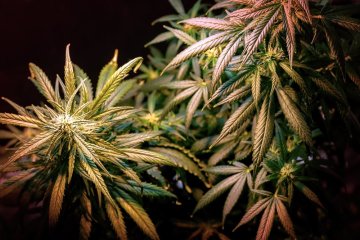
⚡ Quick summary – 45-second read
- Why autos: they switch to flowering on their own by age (3–4 weeks after germination) – no light switching, a short 8–12 week cycle, small compact plants. Ideal for beginners, balconies, and small indoor grows.
- What you need: autoflower seeds, a 19L fabric pot, a light substrate (Light-Mix), simple nutrition (Trypack), light (GENT LED 100W or a sunny windowsill), and root support (mycorrhiza).
- Germination & planting: with autos, germination is crucial – short cycle, any stall cuts yield. Use a Starter Kit or a damp paper towel, and once the taproot appears, plant straight into the final pot (they hate transplanting).
- The process: veg 2–4 weeks (18/6, water sparingly, feed lightly) → flowering around week 3–4 (Bio-Bloom, Top-Max) → harvest in 8–12 weeks by trichomes (milky = max THC, amber = sedative).
- Which method to choose: mini grow with iGrowCan (windowsill/balcony), indoors under LED (more control), or the Complete Grow Kit (all in one).
Verdict: Autos = fast harvest, small plants, and no light cycles to manage. The simplest path to your first homegrown crop. 👉 Browse autoflower seeds
Autoflowering strains (autoflowers) are among the easiest ways to start growing cannabis. Unlike classic photoperiod plants, they do not need a change in the light cycle to begin flowering.
The plant transitions from growth to bloom automatically – usually 3–4 weeks after germination.
This means:
- No light switching
- Shorter life cycle (8–12 weeks)
- Smaller and more compact plants
That’s why autoflowers are ideal for:
- Beginners
- Balcony growing
- Smaller indoor projects
- Quick harvests
1. What You Will Need
Basic equipment for growing autoflowers:
-
Autoflower Seeds
Autoflowering genetics start blooming automatically regardless of day length. -
Pot
We recommend a 19L fabric pot, which supports healthy root growth.- DIY: A plastic pot or bucket with drainage holes.
-
Substrate
Most commonly, BioBizz Light-Mix is used because autos prefer lighter soil.- DIY: A mix of garden soil, compost, and perlite.
-
Fertilizers
A simple solution is the BioBizz Trypack Indoor or Outdoor, which contains basic nutrition for the entire cycle.- DIY: Compost tea or worm castings.
- Light
- GENT LED Photon 100W Quantum Board Dimmable
- Or use sunlight, e.g., on a windowsill – see 📖 How to grow one plant at home (mini grow)
-
Root Support
Mycorrhiza or Rhizobacter help roots absorb nutrients more efficiently.
2. Germination (Recommended Procedure)
For autoflowers, germination is crucial because the plant has a short life cycle, and any stunted growth will directly impact the yield.
We recommend using a Starter Kit, which:
- Maintains proper humidity
- Stabilizes temperature
- Minimizes germination errors
As soon as the taproot appears, transplant the seedling directly into its final pot.
Details can be found in the article:
3. Growth (Vegetative Phase)
Autoflowering plants grow for approximately 2–4 weeks. During this phase:
- Ensure plenty of light
- Water sparingly
- Start with light fertilizing
Typical indoor setting: 18 hours of light / 6 hours of darkness.
4. Flowering
Autoflowers start blooming around week 3 or 4. In this phase:
- The plant starts forming buds
- Nutrient consumption increases
- Vertical growth slows down
It is advisable to add bloom fertilizers, such as:
- Bio-Bloom
- Top-Max
- Groowin tip: If growing indoors, place a Hemp Odor Absorber nearby to help neutralize the aroma during bloom and drying.
5. Harvest
The entire autoflower life cycle usually takes 8–12 weeks from germination. Recognize harvest time by the trichomes:
- Milky = Maximum THC
- Amber = Stronger sedative effect
Use a small microscope for checking.
6. Which Growing Method to Choose?
The Easiest Option – Mini Grow
If you want to grow one plant on a windowsill or balcony, the iGrowCan is ideal. It contains substrate, a germination cube, and organic nutrients. Just add a seed, water, and light.
Home Growing under LED
For more environmental control, grow indoors under a light.
📖 How to grow cannabis at home without a grow tent
Complete Solution for Beginners
If you don't want to buy nutrients and tools separately, there is the Complete Grow Kit. It includes germination cubes, nutrients, tablets, fabric pots, harvest shears, and a humidity pack for curing.
📖 How to grow with the Complete Grow Kit? GUIDE
Why Autoflowers are Ideal for Beginners
- Fast harvest
- Compact plant size
- Simple cultivation
- No need to manage light cycles
To learn more about autoflowers, check out: